In one line
Purple Urkle is a Northern California indica dating to the late 1980s or 1990s, reported as a phenotype of Mendocino Purps. No breeder is on record and it circulated as a clone. Leafly's profile leads with myrcene, then pinene and caryophyllene, and reviewers describe grape, berry and skunk. As of October 3, 2026, Purple Urkle THCA flower is federal hemp only until December 11, 2026.
In this note
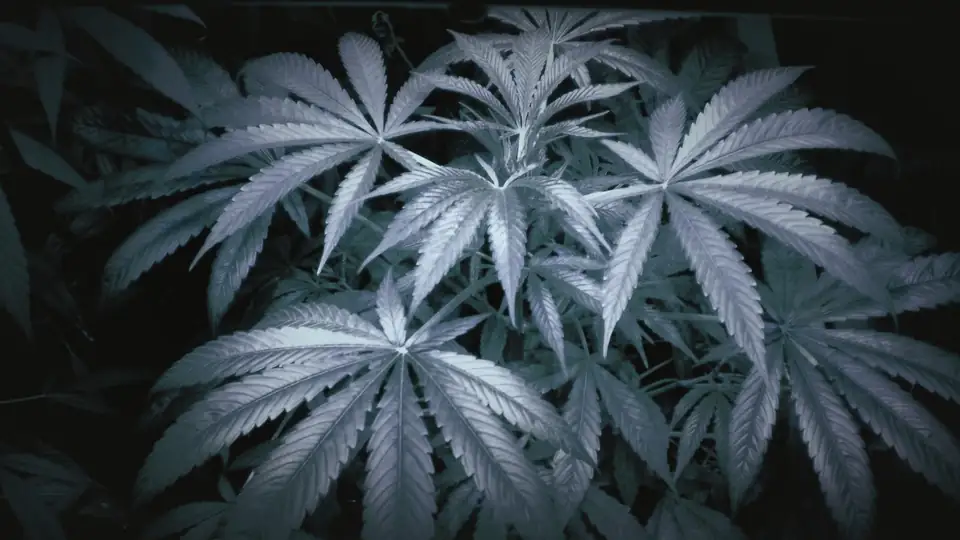
Purple Urkle is an old Northern California indica, usually described as a selected phenotype of Mendocino Purps, with roots placed in the late 1980s or 1990s. No breeder is on record, Leafly’s profile leads with myrcene, then pinene and caryophyllene, and reviewers describe grape, berry and skunk.
The file
| Field | On record | Source |
|---|---|---|
| Alias | Pu | Leafly |
| Lineage | Phenotype of Mendocino Purps | Leafly; Weedmaps |
| Alternate lineage | Phenotype of Granddaddy Purple or Mendocino Purps | AllBud |
| Origin | Northern California, late 1980s to 1990s | Weedmaps; AllBud |
| Breeder | None on record; circulated as a clone | AllBud |
| Type | Indica | Leafly |
| Lead terpene | Myrcene | Leafly |
| Next terpenes | Pinene, caryophyllene | Leafly |
| Reported flavor | Grape, plum, berry, skunk | Leafly; Weedmaps |
| Listed THC (licensed market) | 19% (Leafly); 18 to 21% (AllBud); 18 to 26% (Weedmaps) | As listed |
| Flowering time | 7 to 9 weeks (Leafly); about 8 weeks indoors (Weedmaps) | As listed |
Where did Purple Urkle come from?
Nobody has the paperwork. Weedmaps calls its origin story one “passed around longer than anyone has been keeping clean paperwork”. The common account, repeated by Leafly and Weedmaps, is that a grower picked a standout purple plant from Mendocino Purps stock and kept it as a cut. AllBud adds Granddaddy Purple as a possible source and describes Purple Urkle as clone-only.
| Claim | Status |
|---|---|
| Selected from Mendocino Purps | Commonly reported (Leafly, Weedmaps) |
| Selected from Granddaddy Purple | Mentioned by AllBud; disputed |
| Northern California, late 1980s to 1990s | Commonly reported |
| Named breeder | None |
The honest version: it is a California purple cut from before strain names were tracked, and its parent is reported, not documented.
Why is Purple Urkle on an exotic roster?
Because it is still asked for by name, and because the profile is unlike the dessert hybrids around it. Most strains on this roster lead with caryophyllene. Purple Urkle leads with myrcene, as does Permanent Marker. A myrcene-led, grape-forward old-school indica is a different file, not a lesser one.
What does Purple Urkle smell and taste like?
Grape first. Weedmaps users tag grape (50%), berry (26%) and earthy (24%), and describe “ripe grape, dark berries, sweet earth, and skunk, with a little spice and musk underneath”. Leafly adds plum. Pinene, second in Leafly’s profile, is the terpene usually tied to a pine note, so a pine edge on the nose is consistent with the published file.
What effects do people report?
Leafly users tag sleepy, relaxed and hungry, and list dry mouth and dry eyes as the common negatives. Weedmaps users report relaxed (45%), sleepy (30%) and happy (25%), and describe effects that get “heavier as it rolls along”. These are self-reports and vary by person, dose and tolerance. None of this is medical advice.
Grow and phenotype notes
- Structure: AllBud describes a “shorter, thicker and bushier” plant with purple buds and orange pistils, and says it does better indoors.
- Flowering: 7 to 9 weeks per Leafly, about 8 weeks indoors per Weedmaps, which rates it for intermediate growers. Weedmaps says it also does well outdoors; AllBud says indoors suits it better. The sources disagree, so we print both.
- Color: the purple comes from anthocyanins, pigments that show more with genetics and cool nights. A deep purple Batch is not stronger for it.
- Cut drift: a clone kept by many growers for decades can split into slightly different keepers. Expect variation between Batches more than with a recent, breeder-held cut.
Purple Urkle as THCA flower: what to check on the COA
- Delta-9 THC at or below 0.3% dry weight, the federal hemp line until December 11, 2026.
- THCA and total THC. Total THC = delta-9 + (THCA x 0.877). Example: 24.0% THCA with 0.18% delta-9 gives 21.23% total THC. Directory ranges for this strain sit below many exotics, so a much higher number deserves a second look at the COA.
- Terpenes. Myrcene leading, with pinene and caryophyllene near the top, matches the published profile. A caryophyllene-led panel may be a different strain under an old name.
- Batch match. Sample ID, test date and lab accreditation (ISO/IEC 17025).
Log 2026-10-03
As of October 3, 2026, Purple Urkle THCA flower is federal hemp only under the delta-9 test, and only until December 11, 2026. The total-THC hemp definition from Section 781 of P.L. 119-37, which counts THCA, takes effect that day after H.R. 6500 set the date. State rules can already be stricter. After December 11, high-THCA Purple Urkle is sold only through licensed state markets.
Similar files
- Permanent Marker: the other myrcene-led file on this roster.
- Ice Cream Cake: an indica-leaning dessert hybrid from Wedding Cake x Gelato #33.
- Zushi and Blue Zushi: a modern strain known for blue and purple color.
Sources
- Leafly: Purple Urkle
- Weedmaps: Purple Urkle
- AllBud: Purple Urkle
- 7 U.S.C. 1639o; P.L. 119-37; H.R. 6500
Not legal advice. Last reviewed October 3, 2026.
Asked at the desk
What is Purple Urkle a cross of?
It is usually described as a selected phenotype of Mendocino Purps rather than a cross. AllBud also mentions a possible Granddaddy Purple connection. No breeder record settles it.
How old is Purple Urkle?
Sources place it in Northern California in the late 1980s or 1990s. Weedmaps notes that its origin story predates clean paperwork.
Why is Purple Urkle purple?
Purple in cannabis comes from anthocyanin pigments, which show more with certain genetics and cool night temperatures. The color is not a potency signal.
How strong is Purple Urkle compared with newer exotics?
Directories list 18 to 26% THC for licensed-market Purple Urkle, below many modern hype strains. A Batch COA gives the real THCA and total THC numbers.
Log 2026-10-04 Last checked and updated on October 4, 2026.